

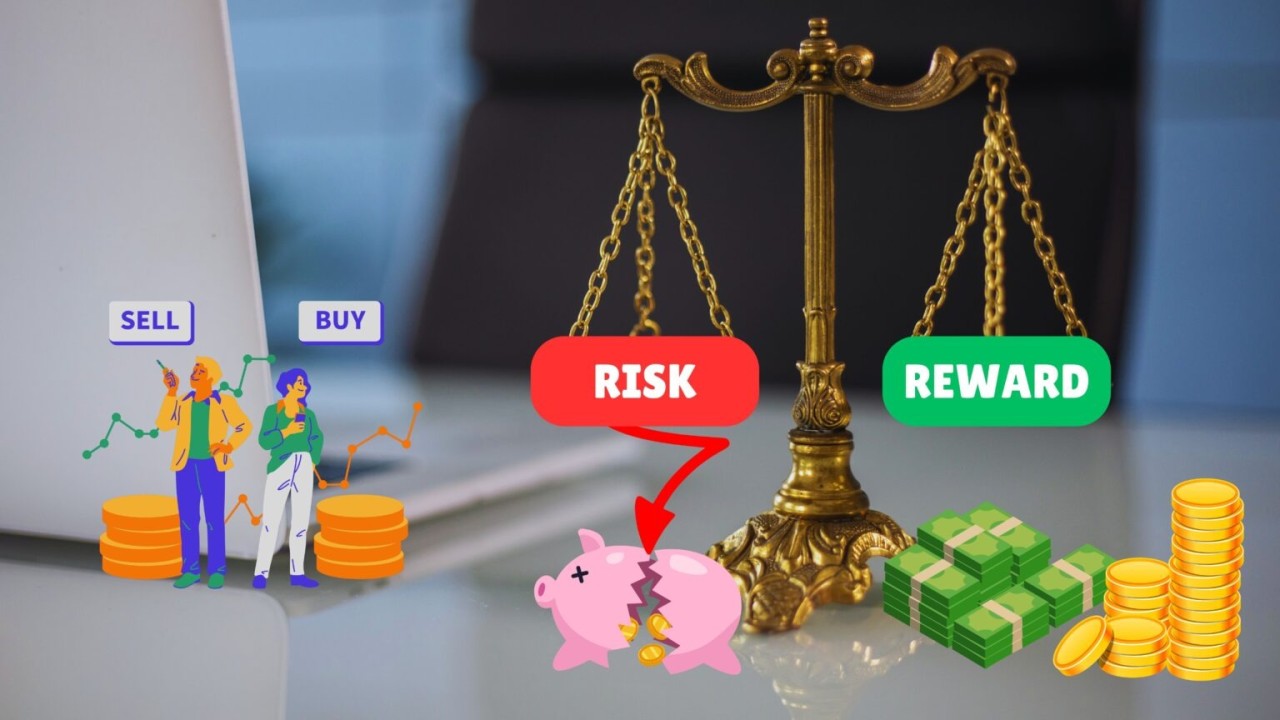
Day trading has captured the imagination of a new generation of Indian investors. Screens filled with flashing prices, instant execution, and stories of quick profits have made trading look both accessible and exciting. The growth numbers tell the story. Before the pandemic, India had about 4.1 crore demat accounts. By October 2025, this number had surged to nearly 21 crore. Digitisation, lower transaction costs, easy-to-use apps, and the belief that “there is no alternative” to equities in a low-interest world have all fuelled this boom.
Data released by the market regulator paints a consistent and uncomfortable picture. Studies covering the period from FY22 to FY24 show that nearly 93 percent of individual traders in the equity futures and options segment lost money. The cumulative losses during this period exceeded ₹1.8 lakh crore. The trend did not improve in FY25, where around 91 percent of retail traders continued to incur losses. These are not marginal numbers or one-off outcomes; they point to a structural problem in how day trading works for most individuals.
The contrast becomes sharper when we look at who is making money. During the same periods in which retail traders struggled, foreign portfolio investors and proprietary trading firms generated substantial profits. This performance gap is not accidental. Professional participants operate with better technology, faster access to information, deeper capital, strict risk controls, and teams dedicated solely to trading. Retail traders, by contrast, often trade alone, with limited capital, emotional decision-making, and little margin for error.
The profile of those most affected is also telling. A large share of losses has been borne by younger traders and participants from smaller cities. For many, day trading is seen as a shortcut to financial independence or a way to supplement income. Social media, influencers, and selective success stories reinforce the belief that skill and discipline are enough to beat the market. Unfortunately, the odds are stacked very differently.
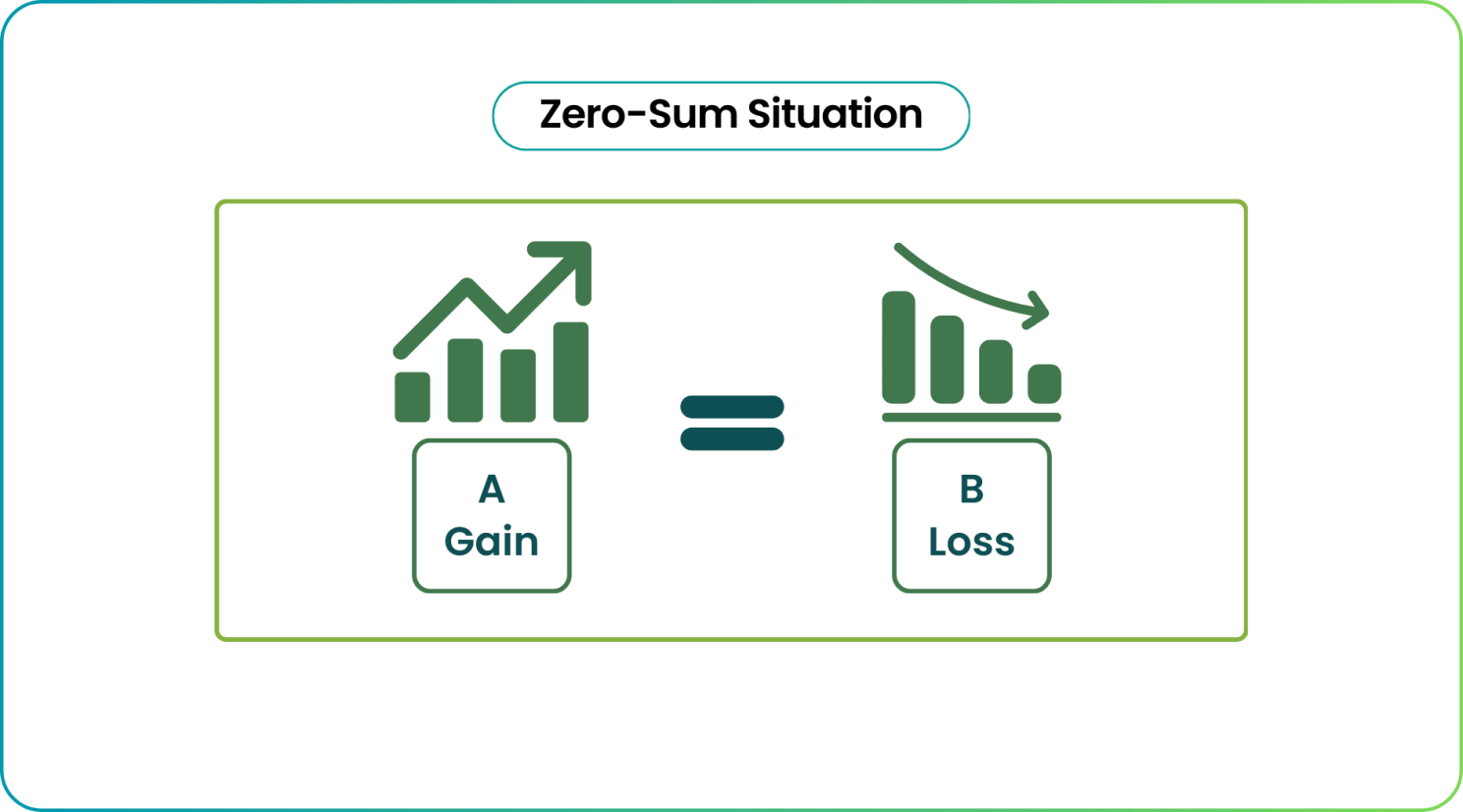
Day trading is a zero-sum game after costs. For one participant to win, another must lose, and transaction costs, taxes, and slippage ensure that the overall pool shrinks over time. Even traders who are occasionally profitable often give back gains during volatile phases.
This does not mean that markets should be avoided or that trading is inherently wrong. It does mean that expectations must be realistic. The idea that frequent trading is a reliable path to wealth is not supported by data.
Long-term investing, in contrast, works with the market rather than against it. It allows compounding to do the heavy lifting and reduces the impact of short-term noise. While it lacks the excitement of day trading, it has a far higher probability of success for ordinary investors.
So, is day trading about reward or just risk? For a very small minority with exceptional skill, resources, and discipline, it can be a profession. For the vast majority, it is closer to a high-cost gamble than a sustainable strategy. In an era of unprecedented market participation, the most valuable skill for investors may not be speed or prediction, but patience and restraint.