


As we step into the new year, it is quite normal for all to set goals which are soon forgotten by majority of people. At Arthashastra we recently had an interesting discussion with Sandeep & Saanvi on the same topic.
Varun had just settled into his chair when Sandeep and Saanvi walked into his office. Like many young couples, they were earning well, yet felt oddly unsure about where their money was going.
“Varun,” Sandeep began, half-smiling, “we don’t understand it. Our income has grown over the years, but it still feels like we’re constantly juggling expenses.”
Varun nodded. “You’re not alone. Most money problems aren’t about income or returns. They’re about behaviour. Money decisions are emotional before they are logical.”
Saanvi looked surprised. “Emotional? But we plan everything. We budget.”
“You plan,” Varun replied, “but emotions quietly influence everyday decisions. Stressful days, celebrations, social media, even comparison with friends—these trigger spending without us realising it. The spending feels good in the moment, but the satisfaction doesn’t last.”
Sandeep leaned forward. “That sounds familiar. Especially lifestyle upgrades. A better phone, a nicer car—it feels justified.”
“That’s lifestyle inflation,” Varun explained. “As income rises, expenses slowly rise too. What was once a luxury becomes a necessity. It happens silently, and suddenly saving feels difficult despite earning more.”
Saanvi sighed. “And saving always feels like we’re giving something up.”
“That’s because our brains prefer immediate rewards,” Varun said. “Saving requires delayed gratification. Buying something today feels real. Saving for a future goal feels abstract. That’s why saving works best when it’s tied to something meaningful.”
“Like what?” Sandeep asked.
“Not just ‘retirement’,” Varun replied. “But a stress-free life, freedom of choice, time with family, or the ability to handle emergencies without panic. When saving has a purpose, discipline becomes easier.”
Saanvi nodded slowly. “We also compare ourselves a lot. Friends seem to be travelling more, spending more.”
“That comparison is another psychological trap,” Varun said. “We see the lifestyle, not the loans or stress behind it. Many people who look wealthy are financially fragile. Those who live simply often have far more peace.”
“So what’s the solution?” Sandeep asked. “More control?”
“Less effort, actually,” Varun smiled. “Automate your savings. When investments happen automatically, you’re not tempted to spend that money. What you don’t see, you don’t miss. Over time, this builds consistency without relying on willpower.”
“And spending?” Saanvi asked.
“Spend mindfully, not guiltfully,” Varun replied. “Enjoy life, but be intentional. Occasional indulgence is fine. The problem is unconscious spending.”
Sandeep smiled. “So saving isn’t sacrifice?”
“Not at all,” Varun said. “Saving is self-care. It buys peace of mind, confidence, and freedom. It allows you to live life on your own terms.”
As the meeting ended, Saanvi said softly, “This feels less stressful already.”
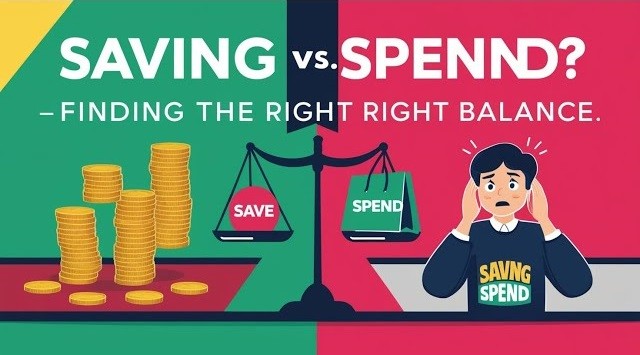
Varun smiled. “That’s the goal. When you understand the psychology behind money, finances stop controlling you. Instead, money becomes a tool—to live a calmer, more fulfilling life.”