


In a significant move to expand the breadth of India’s investment ecosystem, SEBI has introduced a new category of funds—Specialized Investment Funds (SIFs). Announced through amendments to the SEBI (Mutual Funds) Regulations, 1996, this new framework will take effect from April 1, 2025. SIFs are intended to offer a middle ground between traditional mutual funds and Portfolio Management Services (PMS), combining flexibility with regulatory oversight. The Securities and Exchange Board of India (SEBI) has received two applications from mutual fund asset management companies (AMCs) for its proposed product SIF which may get clearance in days to come.

What Are SIFs?
SIFs are designed for investors looking for more advanced investment strategies than traditional mutual funds, but who still seek regulatory protection and cost efficiency. These funds can use sophisticated tools like derivatives, long-short positions, and sector-specific allocations, similar to strategies often employed by PMS or hedge funds—but within a mutual fund-like framework.

Who Can Launch SIFs?
Only AMCs meeting specific eligibility criteria can launch SIFs. They must either:
Have been in operation for at least three years with an average AUM of ₹10,000 crore over that period, or
Appoint a CIO with at least 10 years of experience managing an AUM of ₹5,000 crore or more, supported by a fund manager with a minimum of 3 years of experience managing ₹500 crore.
This ensures that only experienced institutions with proven track records can offer SIFs.
Investment Strategies Permitted
SEBI allows SIFs to offer one strategy in each of the following categories:
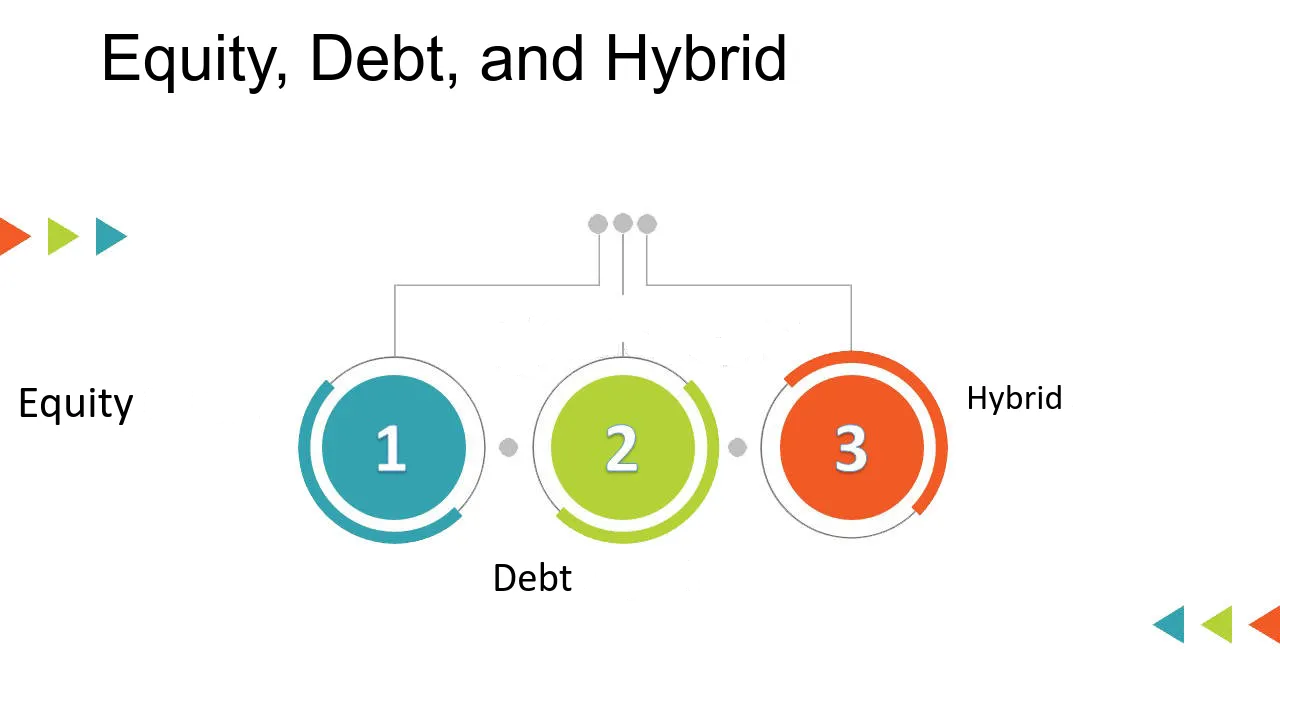
1. Equity-Oriented: Includes Equity Long-Short Funds, Sector Rotation Funds, and Equity ex-Top 100 strategies.
2. Debt-Oriented: Includes Debt Long-Short and Sectoral Debt Funds.
3. Hybrid: Combines asset classes—such as equities, debt, REITs, and commodities—within strategies like Active Asset Allocation and Hybrid Long-Short Funds.
Each strategy comes with specific exposure limits and guidelines to ensure investor protection.

Minimum Investment and Subscriptions
SIFs require a minimum investment of ₹10 lakh per investor, and if holdings fall below this threshold due to redemption, the entire investment must be redeemed. SIPs, SWPs, and STPs are permitted but must comply with the minimum requirement. SIFs can allow flexible redemption frequencies—daily, monthly, or fixed tenure—with a notice period of up to 15 working days.
Derivatives, Exposure, and Benchmarking
SIFs can take unhedged short positions in derivatives up to 25% of net assets. Exposure to debt and money market securities is capped based on credit rating, with sectoral limits to ensure diversification.
Each strategy must follow a benchmark—such as the Nifty 500 or relevant bond indices—along with bi-monthly disclosures, scenario analyses, and a risk band system similar to mutual funds’ riskometers.

Who Can Distribute SIFs?
Distributors already authorised to sell mutual funds can also offer SIFs, provided they clear the NISM Series XIII derivatives certification.
SIFs mark an exciting evolution in India’s investment landscape. For informed investors seeking sophisticated strategies with institutional-grade management and SEBI oversight, SIFs could become a valuable addition to their portfolio. However, given the complexity and higher investment threshold, it’s advisable to consult a qualified advisor before investing.