


Over the past two decades, mutual funds have emerged as one of the most preferred investment options for Indian investors. Whether you are a first-time investor or looking to diversify your portfolio, mutual funds offer a simple yet powerful way to build long-term wealth. However, before diving in, it is crucial to understand some key aspects to ensure your investments are aligned with your goals and risk appetite.
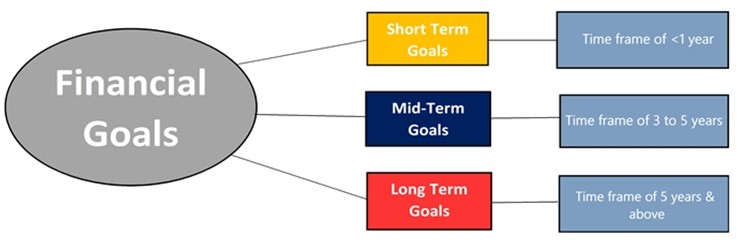
1. Know Your Financial Goals and Time Horizon
Before selecting a mutual fund, ask yourself — why am I investing? Are you saving for a short-term need like buying a car, or a long-term goal such as a child’s education, or your retirement? Equity mutual funds are better suited for long-term goals (typically 5 years or more), while debt or hybrid funds can be considered for short-term objectives. Clearly defining your goals helps in choosing the right type of fund and managing expectations.
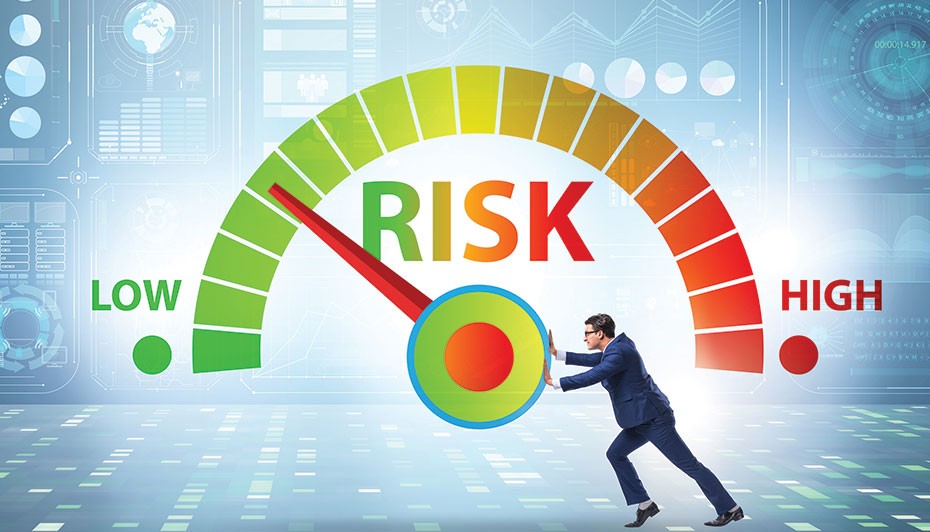
2. Understand Risk and Your Own Risk Appetite
Every mutual fund carries some level of risk — even debt funds are not risk-free. Equity funds are volatile in the short term but have the potential for higher returns over the long term. Debt funds are relatively stable but may offer growth in line with fixed deposits. Assess your ability to handle market fluctuations. Are you comfortable seeing your investments drop 10-20% during a downturn, or do you prefer steady, lower-risk options? Choosing a fund that matches your risk tolerance is key to staying invested through market cycles.

3. Expense Ratios and Fund Costs Matter
Every mutual fund charges a fee for managing your money, called the expense ratio. While the difference between two similar category of funds’ expense ratios may look small (say 0.5% vs. 1.5%), over many years, this can significantly impact your overall returns. Direct plans of mutual funds have lower expense ratios compared to regular plans. Usually RIAs (Registered Investment Advisors) advise direct funds with fees & mutual fund distributors offer regular funds. Some seasoned &/or institutional investors can do their investment by themselves in direct funds.

4. Past Performance is Not a Guarantee of Future Returns
Many layman investors choose funds based solely on their past performance. While reviewing historical returns is important, it is not the sole criterion. A fund’s performance should be evaluated across different market cycles, and you should look at factors like consistency, fund manager experience, investment strategy, and risk-adjusted returns. A well-managed fund with a sound process is often more important than just a top-performing fund in the recent past.
5. Review and Rebalance Periodically
Investing is not a one-time activity. Once you have chosen your funds, monitor them periodically — ideally once or twice a year — to ensure they are performing in line with your expectations and goals. Market conditions and your personal circumstances change, and so one should align their portfolio when needed. Avoid making frequent changes based on short-term market noise, but do course-correct if your asset allocation drifts significantly. Please note changes in investments attract capital gains tax.Article published in Capital World _ Rajkot on 11th August 2025Article published in Capital World _ Rajkot on 11th August 2025