

Global headlines are once again dominated by geopolitical tensions, tariff wars, and uncertainty across markets. For many equity mutual fund investors in India, such headlines often trigger anxiety—should I reduce exposure, pause SIPs, or wait for clarity? The truth is, short-term market reactions to global shocks are inevitable, but history repeatedly shows that long-term investors benefit by staying invested and focusing on India’s structural growth story rather than the turbulence of the moment.
Lessons from Past Global Shocks
Let us revisit some critical global crises and how the Sensex behaved:
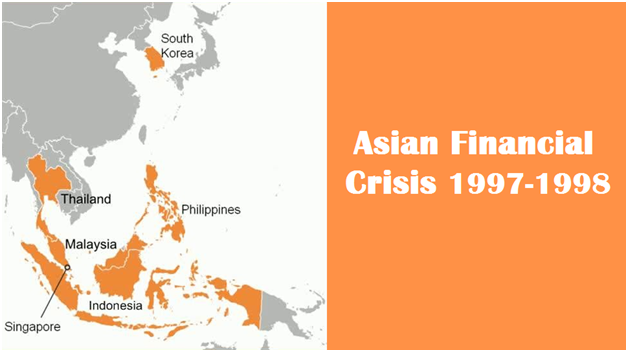
Asian Currency Crisis (1997-98): Triggered by the collapse of the Thai baht, it spread across Asia and shook emerging markets. The Sensex dipped to around 3,600 in 1998, but within a few years, India’s reforms and resilience propelled it past 5,000 by 1999.

Y2K & Dotcom Meltdown (2000-01): Technology stocks crashed globally, wiping out trillions of dollars in market value. The Sensex fell from about 6,100 in early 2000 to 2,600 in 2001. Yet, by 2003, with India’s IT sector proving robust, the index doubled back to 5,000-plus.
US Housing Crisis & Global Financial Meltdown (2007-08): Perhaps the most severe shock of our times, with Lehman Brothers’ collapse dragging global markets down. The Sensex hit a peak of 21,000 in January 2008, only to crash below 8,000 by October 2008. Yet, by late 2010, it had recovered fully to the 20,000 mark—a near 150% rebound in just two years.
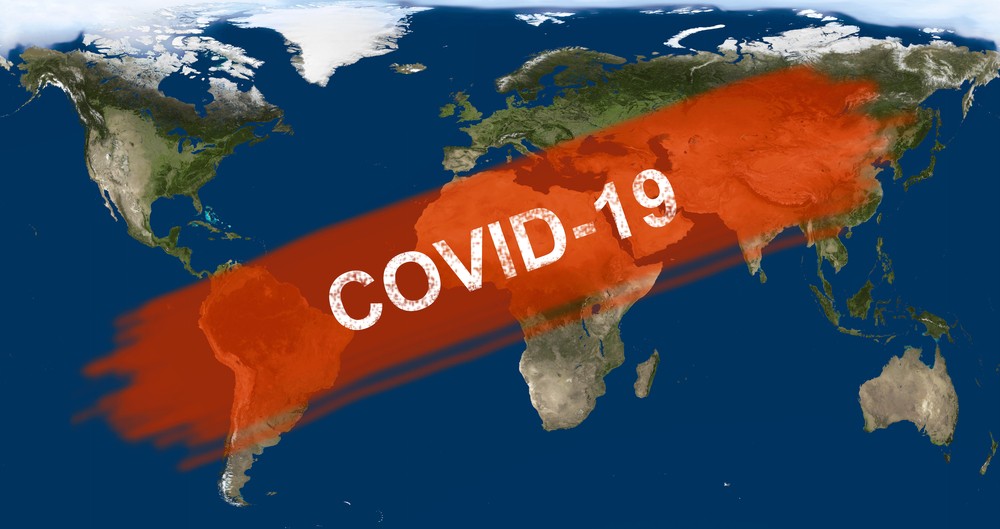
COVID-19 Pandemic (2020): With global lockdowns, the Sensex plunged from 42,000 in February 2020 to 25,000 in March 2020. Fear was at its peak. But India’s rapid digital adoption, strong corporate earnings, and global liquidity pushed the index to 60,000 by 2021—an all-time high.
Each of these crises felt like the “end of the world” at the time. Yet, with hindsight, they were only temporary setbacks in a long upward journey.
Why India’s Long-Term Story Matters More
India today stands on the cusp of a multi-decade growth story. Factors such as a young demographic, digitisation, infrastructure push, and rising domestic consumption provide strong tailwinds for equity markets. While tariff wars or geopolitical tensions can cause short-term volatility, they do little to alter India’s underlying fundamentals.
Mutual fund investors, especially those in equity funds, must remember that equity returns are non-linear—markets climb a wall of worry, often punctuated by short-term falls but ultimately rewarding patience.

The Rear-View Mirror vs. the Windshield
Looking back at every global crisis, investors who panicked and exited lost out on wealth creation, while those who stayed the course reaped exponential gains. The Sensex, which was just 3,000 in the early 1990s, now hovers above 65,000–70,000 despite multiple global shocks. This compounding effect is the best evidence that long-term vision triumphs over short-term fear.
For long-term equity mutual fund investors, the mantra is simple: ignore the noise, trust the process, and stay disciplined with SIPs. India’s growth prospects, corporate profitability, and entrepreneurial energy remain far stronger than the transient shocks of geopolitics. The rear-view mirror of past incidents shows volatility is temporary, but the windshield ahead reveals a promising India growth story.