

Sameer and Samiksha sat across the table from Mansi at Arthashastra, looking visibly unsettled.
“Mansi,” Sameer began, “we have been investing in equity mutual funds for a few years now, but the last 18 to 24 months have been disappointing. Our portfolio hasn’t gone anywhere. It’s frustrating.”
Mansi nodded. “That feeling is completely understandable. We all like to see our portfolios grow. When markets stay flat or volatile for long periods, it tests patience and confidence.”
Samiksha added, “We are even wondering if it makes sense to move some money to gold or other assets, or maybe redeem a few funds.”
“Before taking any action,” Mansi said calmly, “it’s important to pause and understand how equity market cycles actually work.”
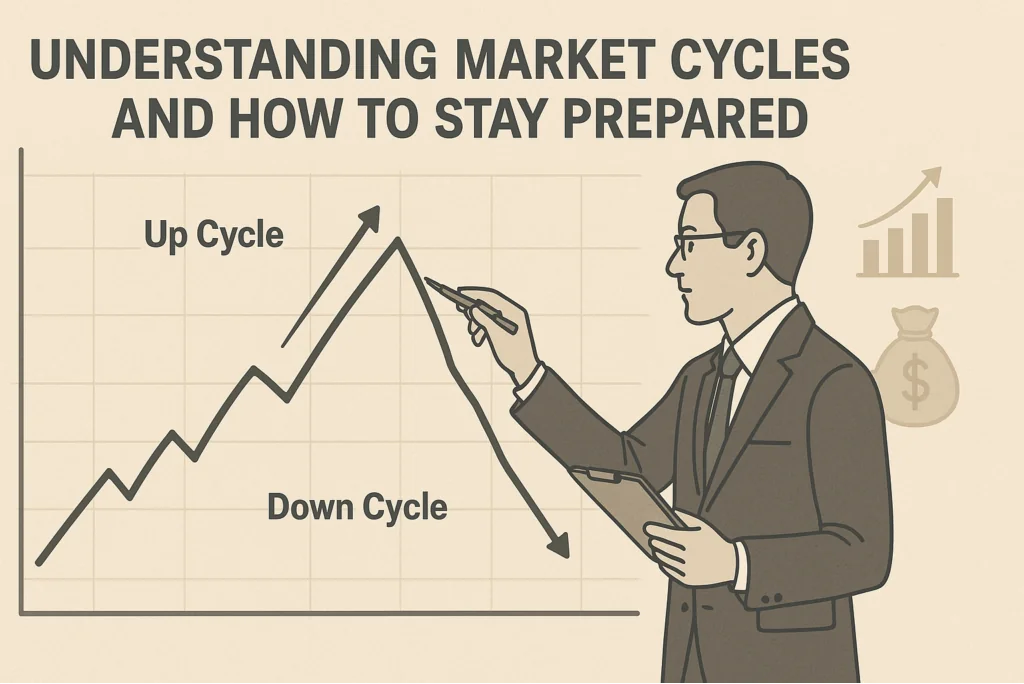
She pulled out a chart. “Let’s first look at what has happened recently. 2026 has started with high volatility. The Nifty is back to around August 2024 levels. Midcaps are near July 2024 levels, and smallcaps have slipped back to April 2024 levels. In effect, the market has delivered almost zero returns for close to two years.”
Sameer frowned. “So our investments are not growing.”
Mansi replied. “What you are experiencing is not new. History has seen similar phases. From April 1998 to August 2003, markets stayed largely stagnant for over five years. From December 2007 to October 2013, nearly six years passed with little visible progress. Even more recently, from September 2021 to April 2023, returns were muted for about 18 months.”
Samiksha asked, “But SIP returns during those periods must have been poor, right?”
“They looked average,” Mansi explained. “During the 1998–2003 phase, SIP returns were around 6 percent. Between 2007 and 2013, about 9 percent. And in the 2021–2023 phase, roughly 5 percent. Not exciting, I agree.”
She paused, then smiled. “But here’s the real learning.”
Both leaned forward.
“If an investor simply stayed invested for just one more year, without adding a single rupee,” Mansi continued, “the picture changed dramatically. The 1998 phase turned into 12 percent returns by 2004. The 2007 phase delivered nearly 14.65 percent by 2014. And the 2021 phase improved to about 13.7 percent by April 2024.”
Sameer looked surprised. “So the recovery came quickly.”
“Yes,” Mansi said. “That’s because markets move in cycles. Weak phases are followed by recovery phases. Wealth is created by time in the market, not by trying to time the market.”
“So what should we do now?” Samiksha asked.
“First, do not worry,” Mansi replied. “Second, don’t disturb your asset allocation. Third, don’t stop your SIPs. And most importantly, don’t deviate from your long-term goals because of short-term disappointment.”
Mansi added gently, “It’s okay to feel disappointed. Markets are emotional. But if your goals are long term—retirement, children’s education, financial independence—then staying committed to the process matters far more than reacting to phases like this.”
Sameer nodded slowly. “So discipline matters more than growth right now.”
“Exactly,” Mansi said. “Discipline during tough phases is what eventually creates wealth. The investors who benefit the most from recoveries are usually the ones who stayed invested when it felt uncomfortable.”
The couple exchanged a quiet look of relief. Sometimes, the best financial decision is simply staying the course.