


“Sir, I want to start investing… but I feel I do not have enough to start investing now,” said Rohan, a 26-year-old professional attending our Paise Ki Paathshala session at Arthashastra Investments.
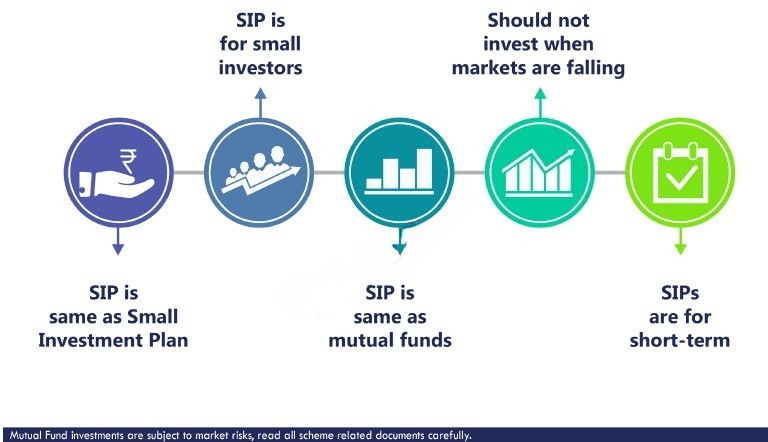
I smiled. “That’s the first myth that investors have today. You really do not need big money to create wealth. You need time, discipline, and consistency. A ₹5,000 SIP started at 25 can beat a ₹50,000 SIP started at 40. Wealth is built by compounding, not by waiting for a big paycheck.”
Rohan nodded. “Okay. But isn’t SIP only for small investors? My friends who invest lump sum say SIPs are for beginners.”
“Another misconception,” my colleague jumped in. “SIPs are for everyone—small, large, new, or seasoned investors. Even HNIs use SIPs to average out market fluctuations. SIP isn’t a small investor’s product; it’s a smart investor’s habit.”
Rohan leaned forward. “But how long should I invest? I was thinking three to five years?”
This time I had to gently correct him. “Systematic investing in equity mutual funds is not for short-term goals. A five-year SIP may give decent results, but a twenty-year SIP can be life-changing. Equity rewards patience. The longer you stay invested, the more compounding works in your favour. Long-term investing is what turns SIPs from savings into wealth.”
He hesitated before asking the next question. “What if the market crashes? Should I stop my SIP until things stabilize?”
“That,” I said, “is one of the biggest mistakes investors make.”
When the market falls, units become cheaper. If you stop your SIP during bearish phases, you miss out on the best buying opportunities. “Crashes are temporary, but units you buy at lower prices lift long-term returns. SIPs should continue in every market—good, bad, or sideways.”
Rohan flipped through his notes. “My cousin says I should choose the dividend option instead of growth. It gives comfort feeling of income generation.”
My teammate explained, “Dividend option isn’t really ‘extra’ income. It’s just your own money being paid out. The NAV reduces accordingly. Growth option allows you to benefit from compounding without interruptions. For long-term wealth creation, growth is almost always superior.”
Rohan seemed convinced, but one more doubt lingered. “Should I increase my SIP? Or just keep it constant?”
“This is where many investors fall behind,” I said. “Your income rises every year, so your SIP should too. A 10% annual step-up can double your final corpus without any strain. If you don’t boost your SIPs, you’re letting inflation win.”
“And what about redeeming now and reinvesting later?” he asked cautiously. “Is that okay when markets seem high?”
“That’s market timing—and timing rarely works. Benjamin Franklin has famously quoted “Time in the market is more important then Timing the market”. Nobody can predict the lowest or the highest points of market. Stay invested, follow asset allocation, and let compounding work without disturbance.”
Rohan finally smiled. “So SIPs need consistency, patience, and discipline—not perfection.”
At Arthashastra’s Paise Ki Paathshala, this is the message we want every young Indian to take home: “Systematic investing is not a race. It’s a lifelong habit. Avoid these mistakes, and your money will grow quietly, steadily, and powerfully.”