


For millions of Non-Resident Indians, the emotional distance from ageing parents back home is often harder than the physical one. While video calls bridge conversations, nothing replaces the peace of mind that comes from knowing your parents are financially protected—especially when it comes to healthcare. With rising medical costs in India and increasing life expectancy, health insurance has become one of the most meaningful ways NRIs can care for their parents from afar.
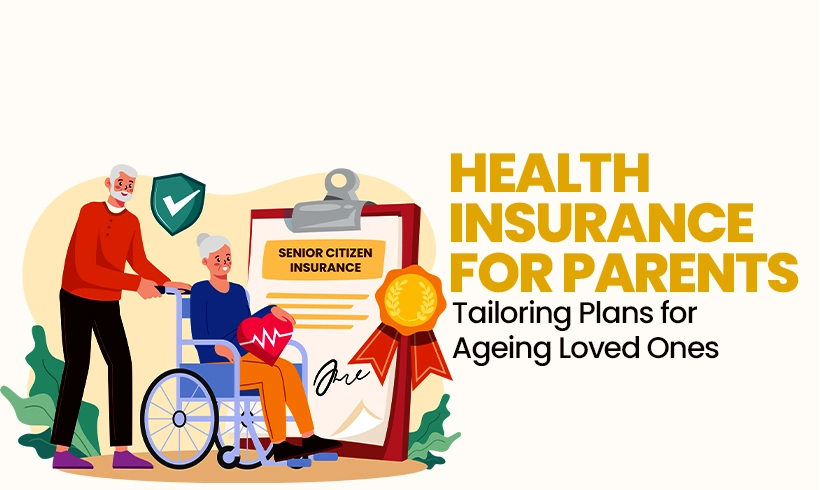
The first step is understanding that senior-citizen healthcare needs are unique. Age brings higher risk, pre-existing conditions, and the need for frequent checkups, all of which make comprehensive insurance indispensable. Many NRIs assume that their parents’ existing employer policies or basic health covers are enough. Unfortunately, these plans often come with high co-pays, restrictive limits, or insufficient coverage. A major hospitalisation today can easily exceed ₹10–15 lakh in metros. Without adequate insurance, the financial burden of such events falls on children, often requiring last-minute remittances or emergency withdrawals.
NRIs have two primary choices: buying regular retail health insurance for their parents or choosing senior-specific health plans. Retail plans typically offer better features—higher sum insured options, cashless networks, and lower co-payments. However, they come with strict medical underwriting. Senior-specific plans, on the other hand, are easier to obtain but often include sub-limits and higher deductibles. The key is to apply early, ideally when parents are in their late 50s or early 60s, before medical conditions become severe enough to limit eligibility.
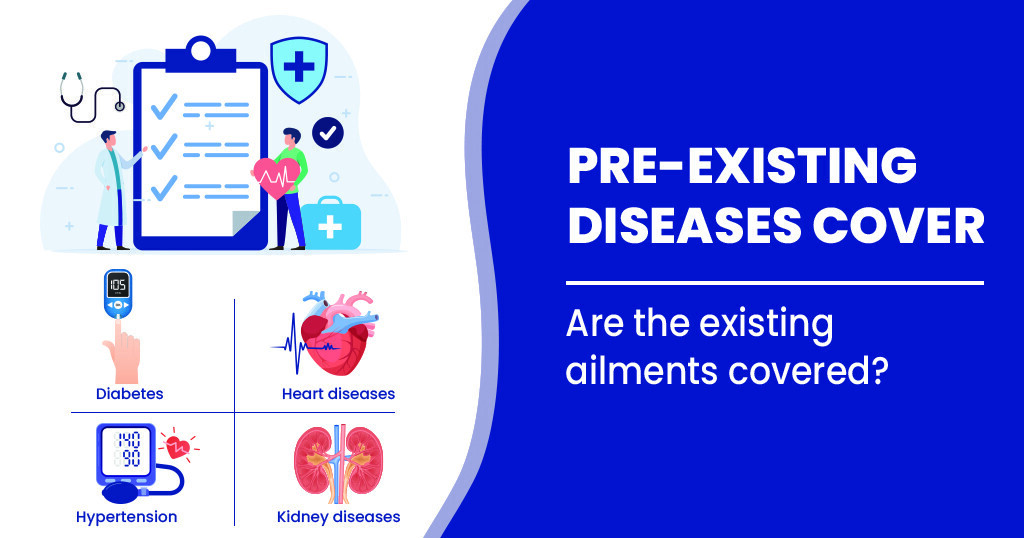
Equally important is understanding pre-existing disease (PED) waiting periods. Most insurers impose a two to four-year waiting period before specific conditions are fully covered. Starting early reduces the impact of these waiting periods and ensures smoother claims later.
Another useful tool for NRIs is the top-up and super top-up plan. These policies provide large cover amounts—₹20–50 lakh or more—at affordable premiums because they activate only after a chosen deductible. Combining a base policy with a super top-up significantly strengthens protection without inflating costs
Cashless hospitalisation is especially critical when you live abroad. Choosing insurers with strong networks in your parents’ city—especially private hospitals they prefer—ensures smooth claims without relatives running around arranging paperwork. It’s also important to maintain updated nominations, KYC details, and family member contact information so insurers can reach the right person during emergencies.
NRIs should also build a medical contingency fund in India—either through liquid mutual funds or an NRE/NRO account. Insurance handles risk, but a medical buffer ensures cash is available instantly for non-covered expenses such as home care, physiotherapy, or non-admissible items.

Health insurance for parents shouldn’t be treated as a transaction; it’s an act of responsibility and love. When chosen thoughtfully, it protects their dignity and ensures financial confidence during a vulnerable stage of life.
Investing in your parents’ health is not just a financial decision—it’s a way of honouring the people who invested everything in you. In a world where distances feel larger than ever, this is one commitment that truly brings families closer.