


With the recent increase in the tax-free income limit to ₹12 lakh, many investors are asking a very practical question: if my total income, including dividends, is below ₹12 lakh, does it make sense for me to invest in high dividend-yielding mutual funds? At first glance, the idea sounds attractive. If dividends are not pushing you into a taxable bracket, why not earn regular cash flows without worrying about tax? However, as with most financial decisions, the answer lies beyond just taxation.
To begin with, it is important to understand what dividends from mutual funds really are. Unlike interest from a bank fixed deposit, dividends from mutual funds are not an extra reward or bonus. When a mutual fund declares a dividend, the money is paid out from the fund’s own value. In simple words, what you receive as a dividend reduces the value of your investment by the same amount. You are not becoming richer; you are merely getting back a part of your own money.
This distinction is critical, especially for investors who are in the wealth-building phase of their lives. Even if your income is below ₹12 lakh today and dividends are effectively tax-free in your hands, frequent dividend payouts interrupt the compounding process. Compounding works best when money is allowed to stay invested and grow over long periods. By choosing high dividend-yielding funds, you may be sacrificing long-term growth for short-term comfort.

Another factor to consider is the unpredictability of dividends. Mutual fund dividends are not fixed or guaranteed. Fund houses may declare dividends in one year and skip them in another, depending on market conditions and fund performance. If an investor starts relying on dividends for regular income, this uncertainty can create financial stress, even if the tax situation is favourable.
There is also the question of suitability. High dividend-yielding mutual funds often tilt towards mature companies that distribute profits rather than reinvest aggressively for growth. While such companies have their place in a portfolio, an overemphasis on dividends may reduce exposure to faster-growing businesses that drive long-term wealth creation. For investors with income below ₹12 lakh, the real advantage lies not just in saving tax today, but in building a strong financial future.
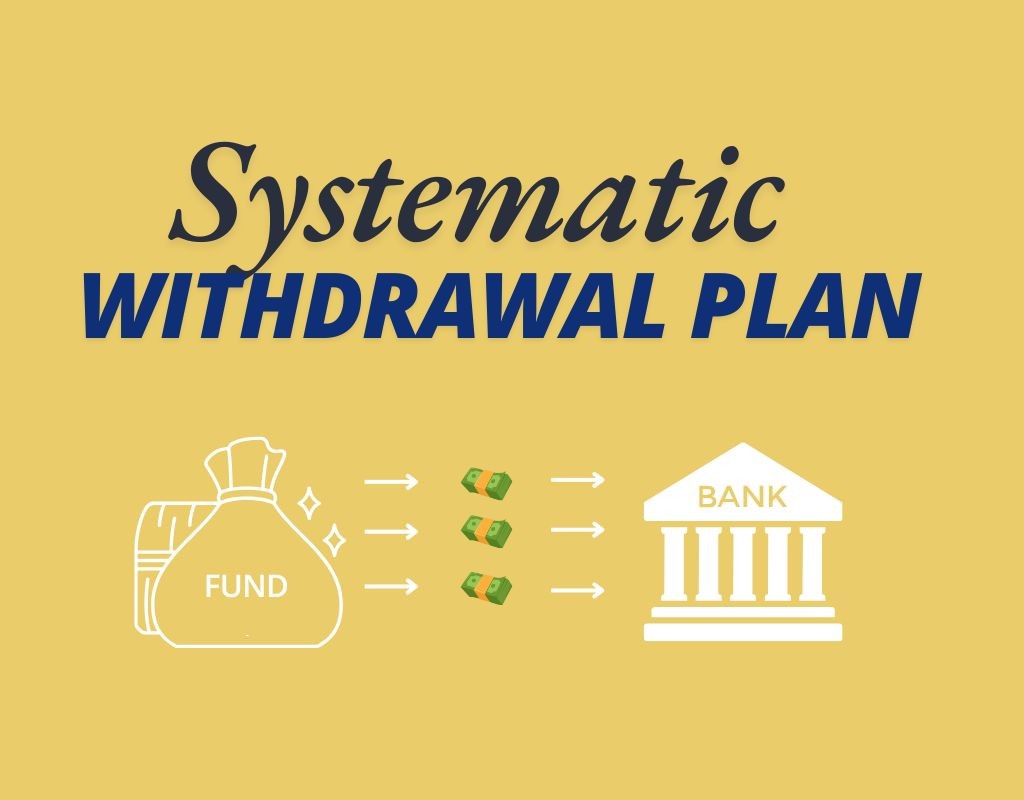
If regular cash flow is genuinely needed, there are better and more efficient ways to achieve it. A systematic withdrawal plan allows investors to withdraw a fixed amount periodically from a mutual fund while keeping the rest of the corpus invested. This approach offers flexibility, control, and often better outcomes than relying on dividend declarations, even when taxes are not a concern.
The increased tax-free income limit is undoubtedly a welcome relief, especially for middle-income households. However, investment decisions should not be driven by tax rules alone. Taxes change, income levels change, and personal goals evolve. What remains constant is the importance of aligning investments with long-term objectives.
In conclusion, for investors with total income below ₹12 lakh, investing in high dividend-yielding mutual funds purely because dividends are tax-free may not be the wisest strategy. A growth-oriented approach, supported by disciplined withdrawals when needed, often serves investors better than chasing dividends, regardless of the tax bracket they fall into.