


Indian investors have never had as many mutual fund choices as they do today. With thousands of schemes across equity, debt, hybrid, international, and thematic categories, selecting the right combination can often become overwhelming. This is where Fund of Funds (FoFs) are emerging as a simple yet effective investment solution.
A FoFs does not invest directly in stocks or bonds. Instead, it invests in a portfolio of mutual fund schemes, often managed by different fund houses and across various asset classes.

- Diversification Across Fund Houses
One of the biggest advantages of a FoF is diversification beyond individual schemes. Most investors tend to invest with one or two Asset Management Companies (AMCs), exposing themselves to a single investment philosophy or fund management style.
A FoF can spread investments across multiple AMCs, fund managers, and investment strategies. If one fund underperforms during a particular market cycle, another may compensate. This diversification reduces concentration risk and makes the portfolio more resilient over the long term.
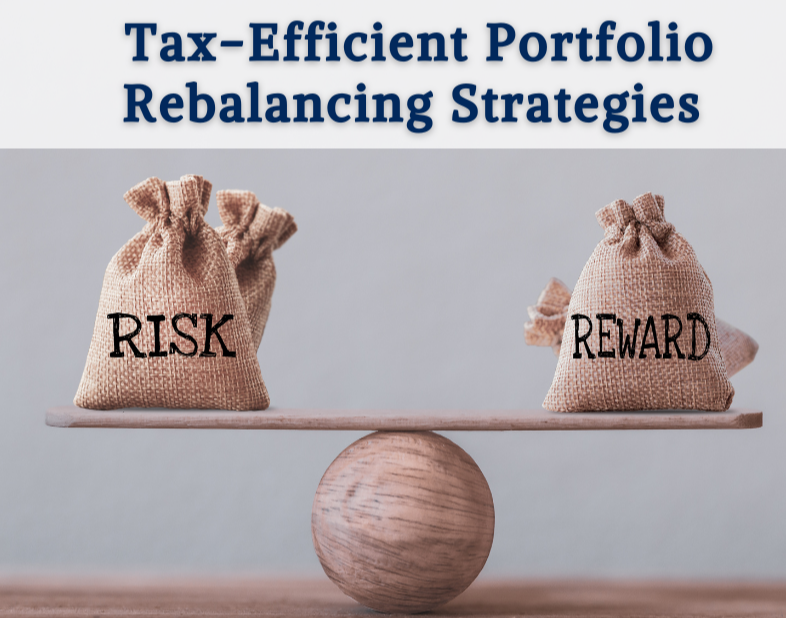
- Tax-Efficient Portfolio Rebalancing
Every investor knows the importance of periodically rebalancing a portfolio. However, shifting money between individual mutual funds may trigger capital gains taxation whenever units are redeemed.
With a FoF, portfolio changes happen within the scheme itself. The fund manager can rebalance allocations between underlying funds without requiring investors to redeem and reinvest their holdings. This allows investors to maintain a dynamic portfolio without frequent tax implications arising from every asset allocation decision.

- Easy Access to Multi-Asset and Global Investing
Today’s investment landscape extends well beyond Indian equities, Gold, debt, international equities, REITs, ETFs and other asset classes all have a role to play depending on market conditions.
A FoF can combine domestic equity, international markets, debt, gold, and other investment themes into a single portfolio. Investors need not monitor multiple schemes or decide when to shift allocations between asset classes. Professional fund managers can make these tactical adjustments based on predefined investment strategies.
This makes FoFs particularly attractive for investors seeking global diversification and multi-asset exposure without the complexity of managing several investments separately.

- Long-Term Capital Gains After 24 Months
Following recent tax changes, many FoF qualify for long-term capital gains taxation after a holding period of 24 months, depending on the underlying portfolio and prevailing tax regulations.
For long-term investors, this provides a favourable tax framework while encouraging disciplined investing. Since tax laws evolve over time, investors should always evaluate the current tax treatment applicable to the specific scheme before investing.

- Better Management of Larger Portfolios
As wealth grows, managing multiple mutual fund schemes across different AMCs becomes increasingly complicated. Tracking performance, reviewing asset allocation, rebalancing portfolios, and maintaining records can become time-consuming.
A FoF simplifies this process by offering professional portfolio construction through a single investment. Investors receive broad diversification, periodic rebalancing, and consolidated reporting without having to manage numerous individual schemes.
No single mutual fund can perform well across every market cycle. Different asset classes, fund managers, and investment styles perform differently over time. FoFs recognise this reality by combining multiple strategies into one professionally managed portfolio.