


Health insurance in India has undergone a significant transformation over the last few years. Earlier, buying a mediclaim policy was largely about choosing the lowest premium or a basic sum insured of ₹5–10 lakh. Today, rising medical inflation, better healthcare facilities, and innovative insurance products have changed the way families should think about health insurance.

With medical inflation estimated at 12–14% annually, the cost of quality treatment continues to rise. A cardiac surgery, cancer treatment, organ transplant, or prolonged ICU stay at a leading private hospital can easily cost ₹25 – 50 lakh. As a result, many families are now opting for ₹50 lakh to ₹1 crore family floater policies instead of relying on modest covers that may prove inadequate during a medical emergency.

Another important innovation is the unlimited restoration or recharge benefit. Traditionally, once the sum insured was exhausted, the policy offered no further protection during the same policy year. Today, several insurers automatically restore the entire cover after an admissible claim, subject to policy terms. This feature becomes invaluable if another family member requires hospitalization or if the same illness leads to multiple hospital admissions.

One of the most common reasons for unexpected out-of-pocket expenses has been room rent restrictions. If a policy limits room rent eligibility and the patient chooses a higher-category room, insurers may proportionately reduce reimbursement for several associated hospital expenses. Fortunately, many comprehensive health insurance plans now offer no room rent capping, allowing policyholders greater flexibility to choose the room recommended by their doctor without worrying about claim reductions.

Health insurers are also introducing innovative features aimed at improving long-term affordability. For example, products like Bajaj Allianz’s Age Shield allow eligible policyholders to continue paying premiums based on their current age until the next admissible claim, subject to policy conditions. This helps reduce the financial impact of age-related premium increases over time.

Another cost-effective option gaining popularity is the Super Top-Up policy. Instead of purchasing a very high standalone cover, families can combine an existing health insurance policy with a Super Top-Up plan. For instance, a family with a ₹10 lakh base policy can buy an additional ₹90 lakh Super Top-Up cover at a relatively affordable premium, creating an effective protection of ₹1 crore while keeping overall insurance costs reasonable.
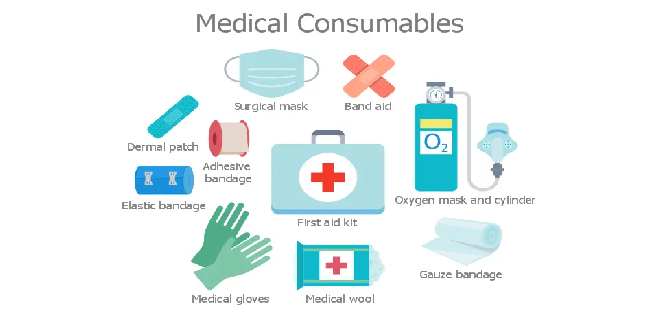
Modern policies are also becoming more comprehensive by covering consumables such as gloves, masks, PPE kits, syringes, and other hospital items that were previously excluded from claims. While these expenses may appear small individually, they can add up significantly during extended hospitalizations.

Many insurers also reward healthy policyholders through cumulative bonus benefits, increasing the sum insured for every claim-free year up to 200% of the original sum insured, substantially enhancing protection without requiring a proportionate increase in premium.
When purchasing health insurance, families should avoid comparing policies only on price. Features such as restoration benefits, room rent eligibility, waiting periods, exclusions, network hospitals, claim settlement service, and optional add-on covers can make a significant difference when an actual claim arises.

Health insurance is not merely an annual expense; it is one of the most important financial safeguards a family can own.