


Buying a home is one of the biggest financial decisions most Indian families make. For many, it represents years of savings, a substantial home loan and a commitment that may continue for 15, 20 or even 25 years.
Yet, while buyers spend considerable time comparing locations, builders, interest rates and loan offers, one important question is often overlooked: What happens to the home loan if something happens to the person who earns the money to repay it?

This is where life insurance becomes an important part of home-buying.
Consider a family where the husband earns ₹30 lakh a year and the wife earns ₹10 lakh. They purchase a ₹2 crore home by contributing ₹50 lakh from their savings and taking a ₹1.5 crore home loan.
The house may be an asset worth ₹2 crore, but the family also has a liability of ₹1.5 crore.
Now imagine the primary earning member passes away unexpectedly after five years. The family may receive the house, but the outstanding home loan does not disappear. The surviving spouse could be forced to use investments, savings or even sell the property to repay the loan.

This is why life insurance should be considered alongside a home loan, rather than as an afterthought.
A suitable term insurance policy can provide a large amount of protection at a relatively affordable premium. If the earning member dies during the policy term, the insurance payout can help the family repay the outstanding loan and maintain financial stability.
Importantly, the objective should not simply be to insure the loan amount. The family should evaluate its overall financial protection requirement.
Suppose the family has a ₹1.5 crore outstanding loan, two young children and several long-term financial goals. Buying a ₹1.5 crore term plan may only take care of the home loan. It may leave little protection for children’s education, household expenses, retirement planning for the surviving spouse and other future commitments.
A better approach is to calculate the family’s overall financial needs and then determine the appropriate life cover.

There is also an important distinction between loan protection insurance offered alongside a home loan and an independent term insurance policy. Borrowers should understand the coverage, premium structure, exclusions, policy ownership and claim process before making a decision. An independent term plan can provide greater flexibility because the cover is linked to the individual rather than a particular loan, subject to the policy terms.
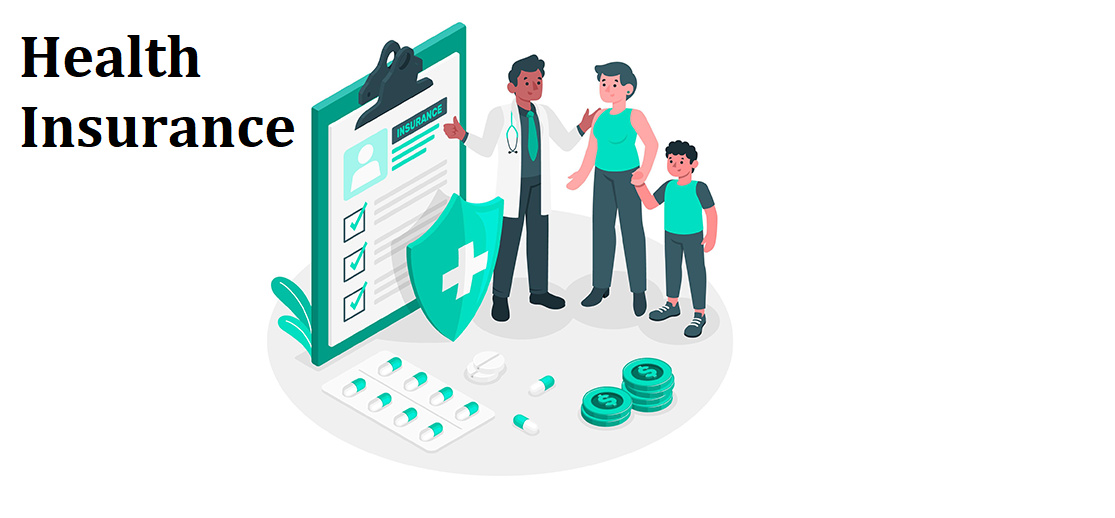
Home buyers should also consider health insurance.
A major medical emergency can disrupt income and consume savings, making it difficult to continue paying EMIs. An adequate family health insurance policy, along with an emergency fund, can protect the household from having to dip into long-term investments during a medical crisis.
The larger lesson is simple: buying a home is not just an asset purchase. It is a long-term financial commitment.
Before signing the loan documents, families should ask themselves three questions:
Can the family continue paying the EMI if one income disappears?
Is there enough life cover to protect the family’s goals as well as the home loan?
Is there adequate health and emergency protection?