


For many young couples today, a dual-income household is seen as the ideal formula for financial comfort. Two salaries, rising careers, and increased spending power should, in theory, make wealth creation easier. Yet surprisingly, many such households still struggle to save meaningfully. Despite earning more than previous generations at similar ages, they often find themselves financially stretched by the end of the month.
The reason is not always low income. More often, it is something subtle and gradual—lifestyle creep.
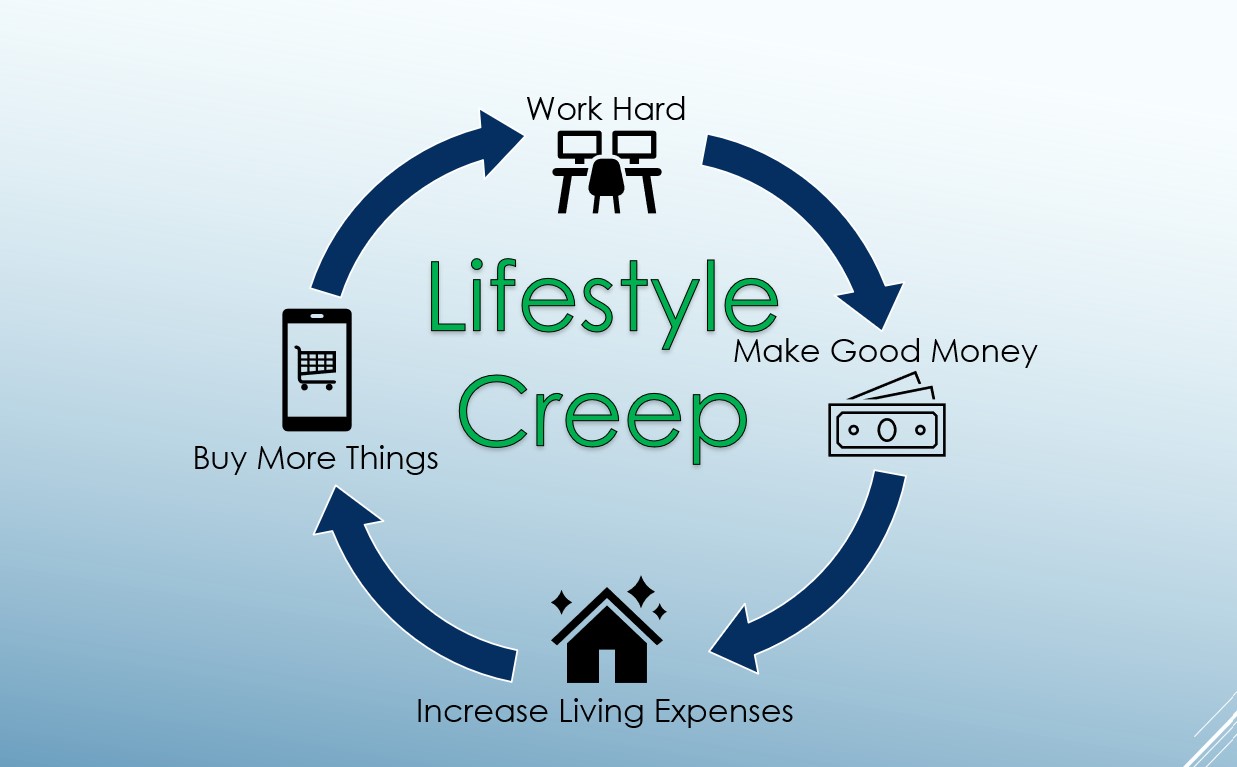
Lifestyle creep refers to the tendency of expenses to rise alongside income. The increase rarely happens dramatically. It begins quietly. A better apartment closer to work. More frequent dining out. International holidays instead of domestic travel. Subscription services, premium gadgets, upgraded cars, and convenience-based spending gradually become normal. What once felt like luxury slowly turns into necessity.
The challenge with lifestyle creep is that it feels justified at every stage. When income increases, spending also expands to match the new lifestyle. As a result, savings do not rise proportionately with earnings. Many households eventually realise that although their salaries have doubled over the years, their financial stress has not reduced significantly.
Social media has amplified this behaviour further. Constant exposure to curated lifestyles creates invisible pressure to upgrade continuously. Experiences, brands, and visible consumption increasingly become markers of success. The problem is not spending itself, but unconscious spending without alignment to long-term goals.
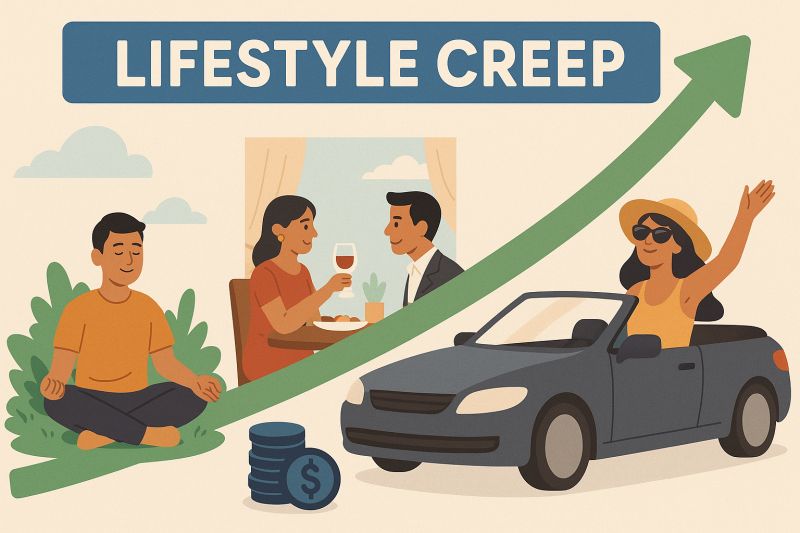
Another important factor is the illusion of affordability created by easy credit and EMIs. A larger television, luxury car, premium smartphone, or exotic vacation no longer feels expensive when converted into monthly instalments. Over time, however, multiple EMIs quietly reduce financial flexibility and weaken the ability to invest consistently.
Ironically, many dual-income households also delay important financial conversations. Since both partners are earning, there is often an assumption that “things are manageable.” Budgeting, goal planning, insurance, emergency funds, and retirement planning are postponed because current cash flows appear comfortable. But comfort without structure can become financially dangerous.
The real impact of lifestyle creep is not visible immediately—it shows up years later in the form of inadequate savings, delayed retirement planning, or dependence on future income growth to sustain present lifestyles.
This does not mean families should avoid enjoying the fruits of their hard work. Financial planning is not about denying experiences or living minimally. The objective is balance. A higher income should ideally create greater financial freedom, not just higher monthly expenses.
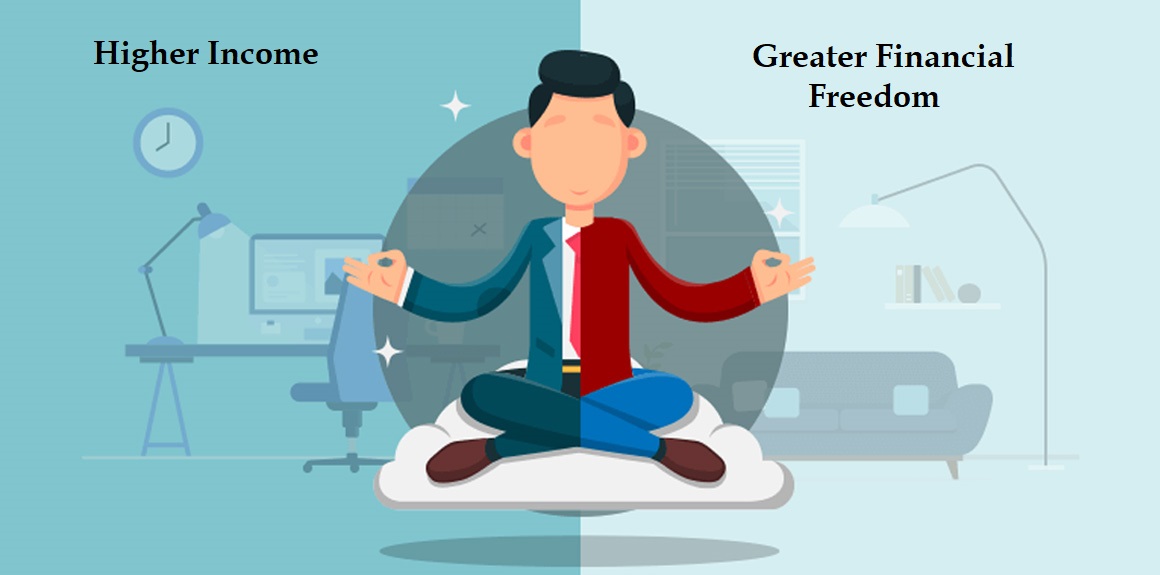
One practical solution is to increase savings and investments automatically whenever income rises. If a significant portion of every increment is directed toward SIPs, retirement accounts, or long-term goals before lifestyle adjusts, wealth creation becomes more structured.
Periodic lifestyle audits are equally important. Families should ask themselves simple questions: Are these expenses improving our quality of life meaningfully? Are we saving enough for future goals? Are we confusing comfort with financial progress?
The most financially secure households are not always the highest earners. Often, they are the ones who manage lifestyle expansion thoughtfully while continuing to prioritise long-term investing.