


The global investment landscape is changing faster than ever. Economic cycles are shorter, market reactions are sharper, and uncertainty has become a constant rather than an exception. For investors, this has translated into increased volatility, especially in equity markets. In such an environment, the traditional approach of allocating separately across asset classes and rebalancing periodically is giving way to more dynamic solutions. One such solution gaining prominence is multi-asset mutual funds.
Over the past few years, equity markets have seen rapid shifts driven by global interest rates, geopolitical developments, inflation trends, and liquidity cycles. Corrections and recoveries are happening faster, leaving little time for investors to react. This has made timing decisions more difficult, even for seasoned participants. At the same time, asset classes such as gold and fixed income have played important roles during periods of equity stress, reinforcing the importance of diversification.
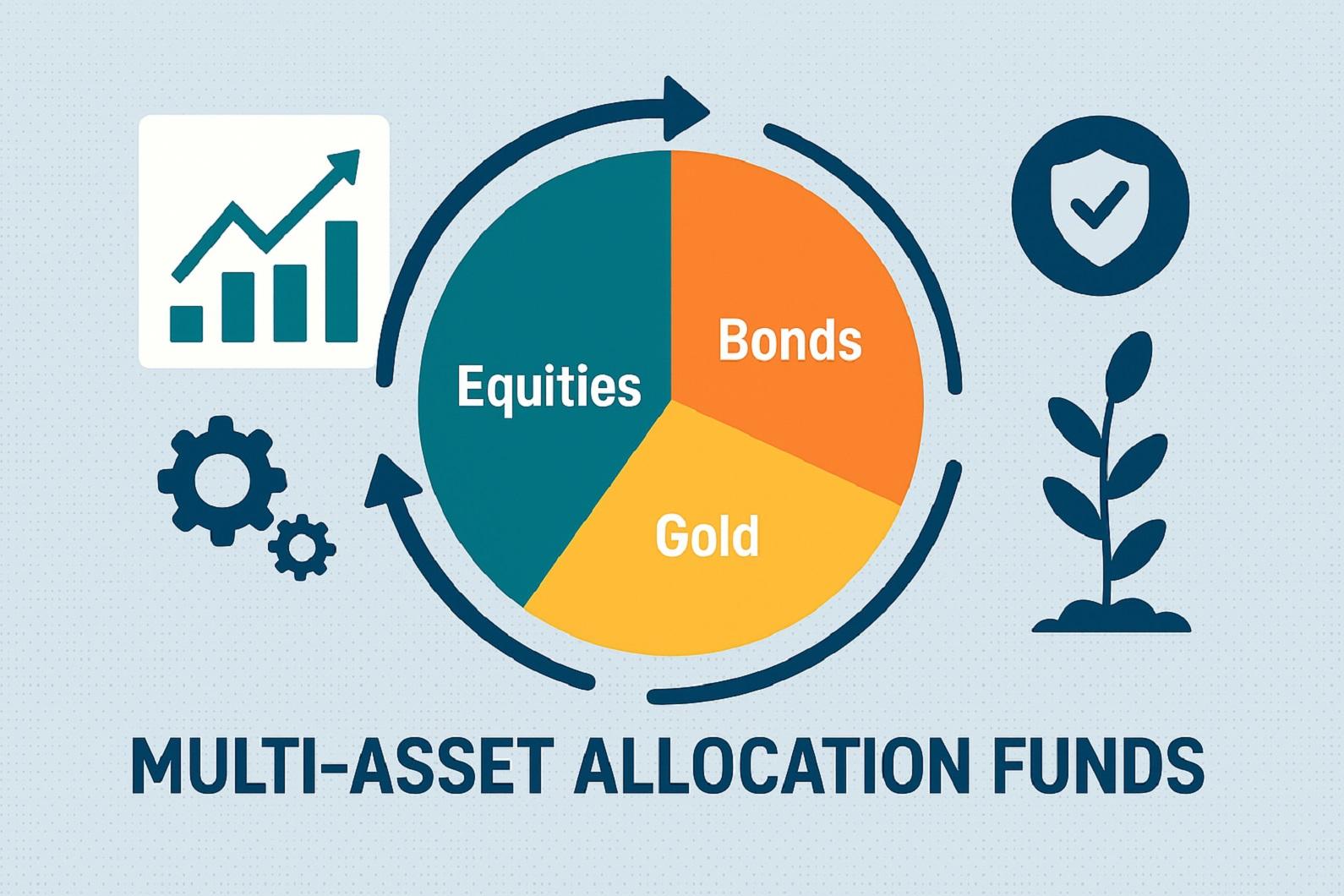
Multi-asset mutual funds are designed to address exactly this challenge. These funds invest across multiple asset classes—typically equity, debt, and gold—and dynamically adjust allocations based on market conditions. Instead of the investor deciding when to move between asset classes, the fund manager takes those calls within a structured framework.
This dynamic allocation is particularly relevant today. During periods of equity overvaluation or heightened risk, the fund can reduce equity exposure and increase allocation to relatively stable assets like debt or gold. Conversely, when opportunities emerge in equities, the fund can increase exposure. This flexibility helps in managing downside risks while still participating in growth opportunities.
Another important trend supporting multi-asset funds is the changing behaviour of investors. Both retail and institutional investors are increasingly recognising the limitations of single-asset strategies. Retail investors, in particular, are seeking simplicity without compromising on diversification. Managing multiple funds across asset classes requires time, discipline, and periodic rebalancing—something not all investors are comfortable doing consistently. Multi-asset funds offer a “one-fund solution” that simplifies this process.
From a tax perspective as well, multi-asset mutual funds can offer efficiency compared to maintaining separate allocations. Frequent rebalancing by individual investors across equity, debt, and gold may trigger taxable events. In contrast, rebalancing within a mutual fund happens at the scheme level and does not result in immediate tax implications for the investor. This allows the portfolio to be managed actively without creating unnecessary tax outflows.

It is also worth noting that multi-asset funds are not designed to maximise returns in any single asset class. Their objective is to deliver more stable, risk-adjusted outcomes over time. For investors with moderate risk appetite, or those looking to navigate uncertain market conditions without taking concentrated bets, these funds can be a suitable option.
However, like all market-linked investments, multi-asset funds are subject to risks, and investors should evaluate scheme objectives, asset allocation strategies, and suitability before investing.
In conclusion, as markets become more complex and cycles more unpredictable, the need for flexibility and diversification becomes even more critical.
In a world where change is constant, the ability to adapt is not just an advantage—it is essential.