


In my years of advising families and professionals, I’ve noticed something curious—many people work tirelessly to earn and accumulate assets, but very few make their assets work for them. Financial independence isn’t built merely by ownership; it’s built when those possessions actively contribute to your long-term life goals. The real question isn’t how much you own, but how well your wealth performs for you. To find out, every investor should pause and ask themselves these five questions.
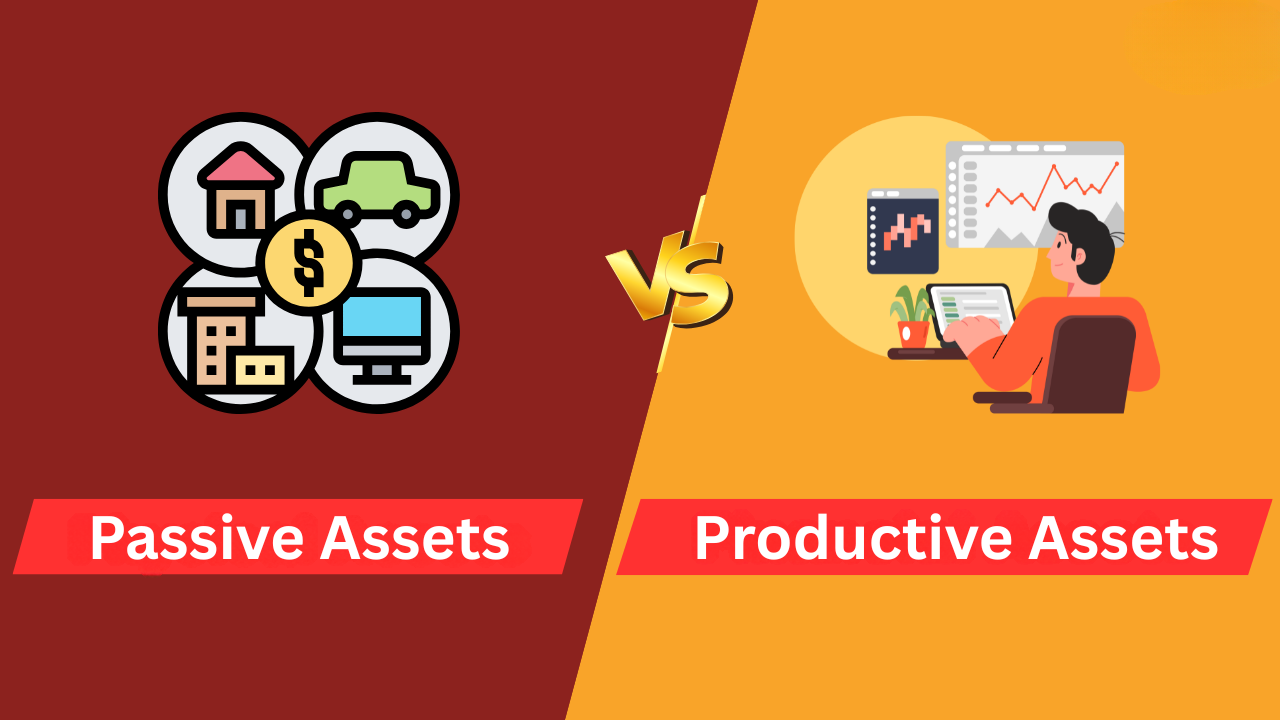
The first question is “Are my assets productive or passive?” Owning real estate, jewellery, or cash in savings accounts may offer comfort, but they often don’t generate meaningful returns. A ₹50 lakh apartment that yields ₹1.5 lakh annual rent produces only 3 %, while a diversified portfolio of debt and equity can potentially double that. It’s important to balance emotional comfort with financial efficiency. Every rupee sitting idle is a soldier not fighting for your future.

The second question: “Do I understand what my money is doing right now?” Many individuals have scattered investments—fixed deposits, insurance plans, multiple demat accounts—without a consolidated view. True wealth management begins with clarity. Unless you track your cash flows, know your asset allocation, and review performance periodically, you are not managing money—you are merely owning financial clutter. A Family CFO mindset helps bring structure to this chaos, ensuring every investment aligns with a specific goal.

The third question: “Is my asset allocation aligned to my life goals and risk profile?” It’s not about chasing the highest-return product; it’s about owning the right mix of equity, debt, real estate, and gold suited to your timeline. A 35-year-old saving for retirement 25 years away must lean into equity, while someone five years from retirement should gradually de-risk. Allocation, not selection, determines over 90 % of portfolio performance.
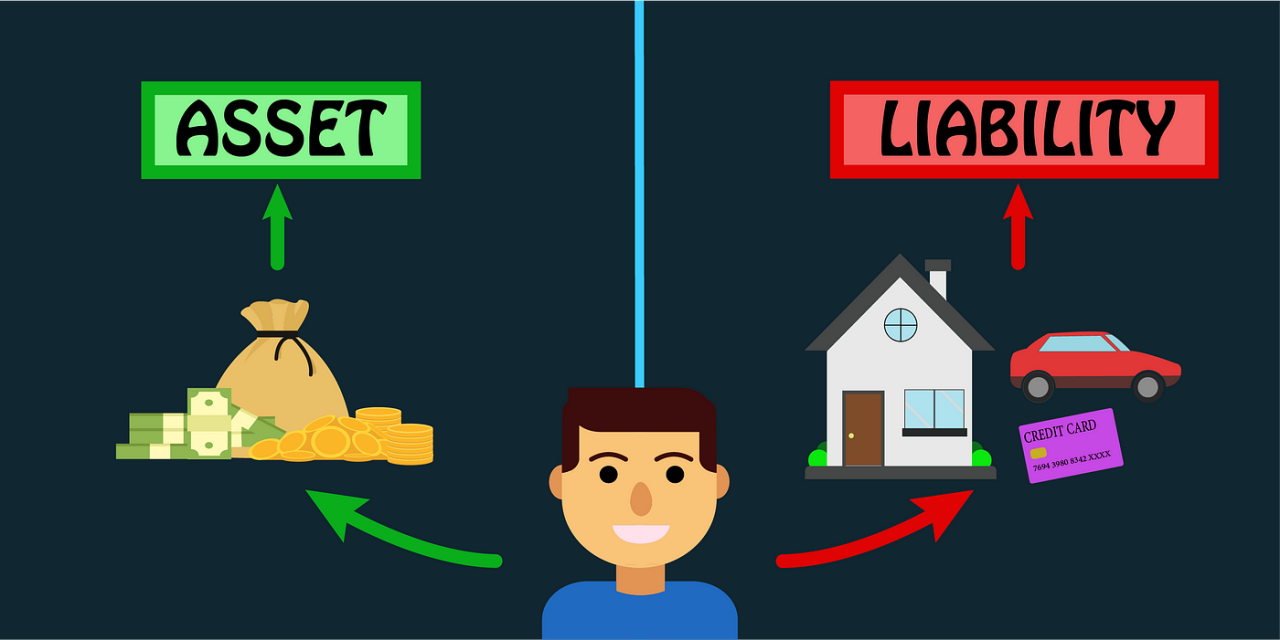
The fourth question is “Do my liabilities cancel out my assets?” Increasingly, people measure their success by the value of their assets, ignoring the mountain of EMIs they carry. A ₹1 crore flat with an ₹80 lakh loan isn’t wealth; it’s leverage. Similarly, financing depreciating assets like cars or phones on credit erodes future stability. Reducing high-interest debt is often the best investment return you can earn.

Finally, ask yourself: “Will my assets protect me and my family even when I stop working?” True wealth is sustainable wealth—backed by an emergency fund, adequate insurance, and a clear retirement plan. India lacks social-security nets; your assets must generate enough passive income to sustain your lifestyle decades after your pay cheques stop.

The path to financial freedom isn’t about owning more; it’s about optimizing what you already own. Make your assets your partners —assign each a role: some for growth, some for stability, some for liquidity, and some for protection. When your money works 24×7, even as you sleep, that’s when financial freedom truly begins.
So pause this week and look at your balance sheet not with pride, but with curiosity. Are your assets helping you—or are they silently holding you back? The answer to that may well define your journey from financial comfort to financial confidence.