

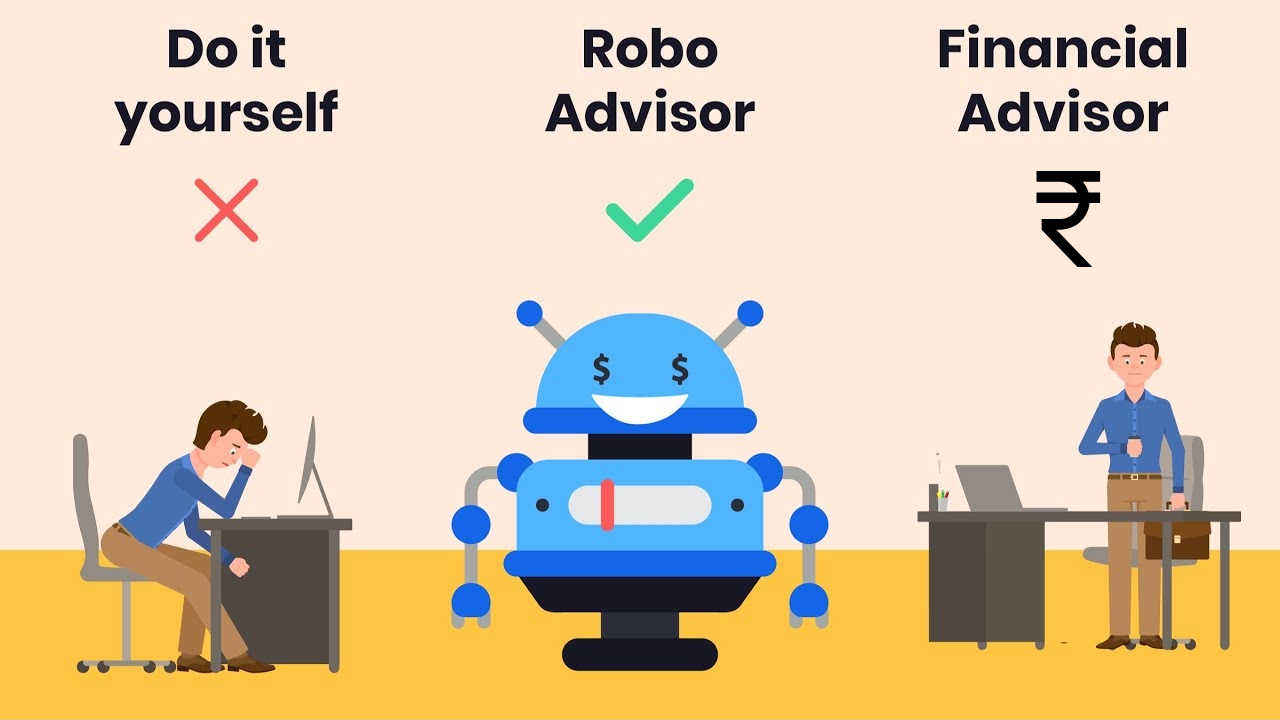
We at Arthashastra are getting queries about robo investing especially since there are multiple social media campaigns running around these themes. In recent years, the rise of technology-driven solutions has transformed many sectors, including financial services. One of the most talked-about innovations in investing is robo-advisory — automated platforms that claim to build and manage your investment portfolio with little or no human intervention. While these platforms promise low costs, simplicity, and efficiency, I believe robo-investing is not yet a replacement for the nuanced, personalized guidance that investors need today.
The Promise of Robo-Advisory
Robo-advisors typically use algorithms to assess your risk profile and financial goals and then suggest a pre-built portfolio, often comprising index funds or ETFs. They offer low entry barriers, minimal fees, and the convenience of digital access — attributes that certainly appeal to today’s tech-savvy investor.
However, when you look beyond the marketing pitch, several concerns emerge, especially in the context of equity markets and the behavioural realities of investors.

One Size Does Not Fit All
Robo-advisors work on standardized models that categorize investors into broad buckets based on a few questions about risk tolerance and goals. But wealth management is rarely so black-and-white. In India, an investor’s needs are influenced not just by numbers, but also by family responsibilities, tax complexities, cultural preferences, and evolving aspirations — all of which cannot be captured fully by an algorithm.
A human advisor brings empathy, understanding, and the ability to tailor strategies to the unique financial journey of each individual or family. They can help balance emotional decisions, like staying invested during market volatility or restructuring a portfolio after life events.
The Behavioural Gap
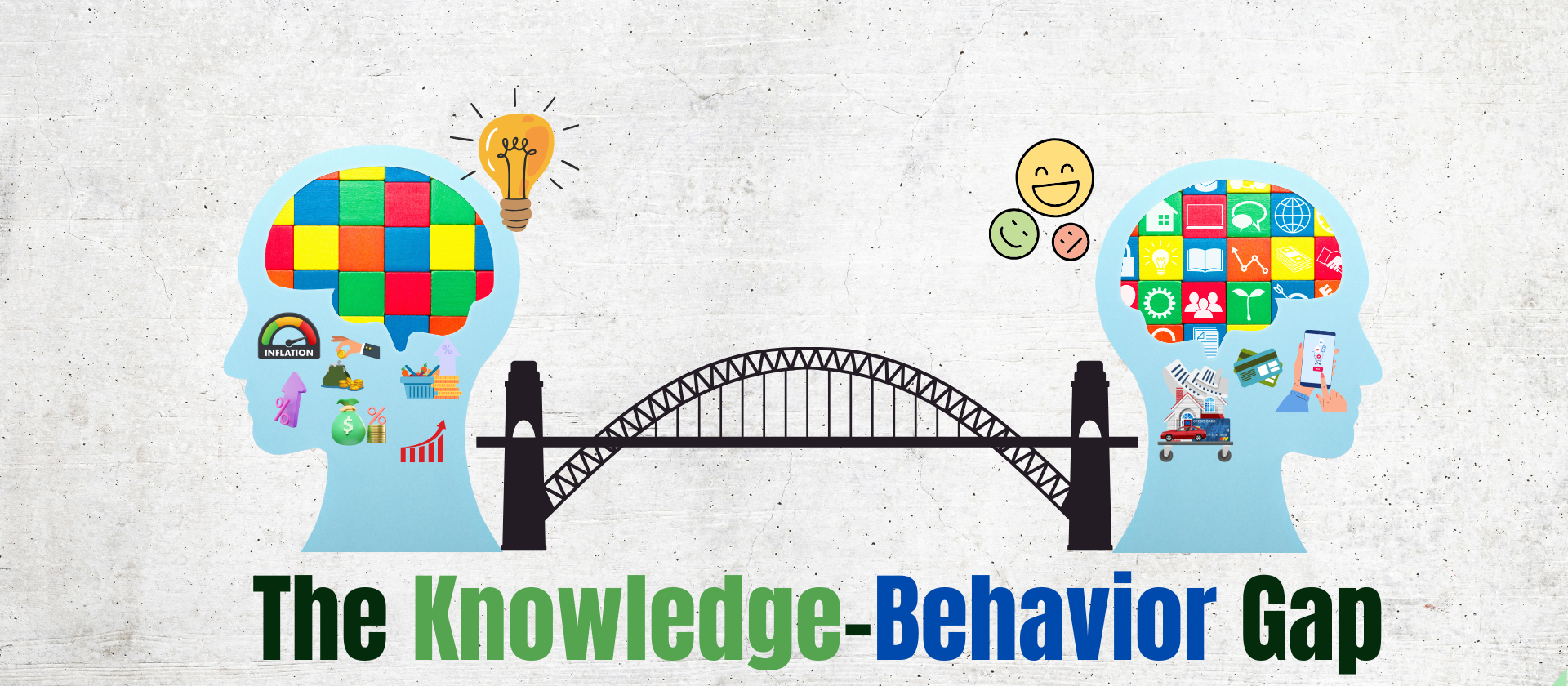
In theory, robo-investing should remove emotion from investing — but in practice, most investors still need handholding during tough times. Whether it was during the Covid crash, the global financial crisis, or recent market corrections, we have seen investors panic, redeem at lows, or stop SIPs at the worst possible moments. Algorithms can rebalance portfolios, but they cannot provide reassurance, nor can they talk you through staying the course or re-aligning your plan when life changes unexpectedly.

Limited Adaptability to Complex Needs
As investors move up the wealth curve, financial needs become more complex. Consider estate planning, succession strategies, tax optimization (especially across jurisdictions for NRIs), or structuring philanthropy — robo-advisors aren’t equipped for such multi-layered planning.
Further, the Indian regulatory and tax landscape is dynamic. A SEBI-registered advisor or wealth manager keeps up with these changes and proactively updates strategies — something algorithms cannot yet do effectively, especially in local contexts.

Final Word
Robo-advisors certainly have a place, particularly for young investors taking their first steps or for managing small, simple portfolios. But as wealth grows and goals diversify, the value of personalized, human advice is hard to replace. Technology can assist; it shouldn’t entirely replace the trusted relationship between an investor and an advisor. At least for now, robo-investing is best seen as a complement — not a substitute — for real advice.