


A common conversation in my office these days involves parents meticulously planning for a child’s Ivy League education or a family dreaming of a multi-city European getaway. While their savings are diligently parked in Rupees, their eventual expenses are pegged to Dollars or Euros. This “currency mismatch” is a subtle yet profound risk that many Indian households inadvertently overlook. As India continues its remarkable journey toward becoming a global economic powerhouse, the way we perceive our investment portfolios must also evolve from a purely domestic focus to a truly international perspective.
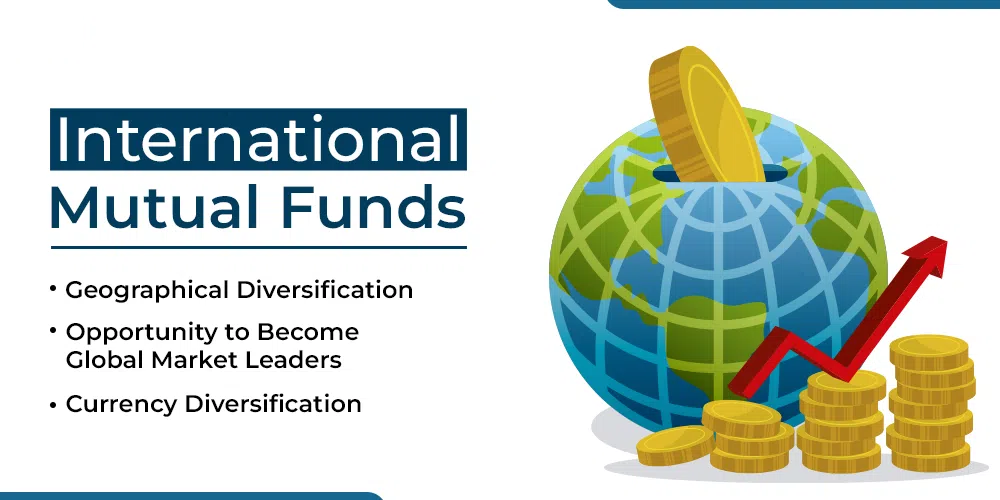
Investing in global mutual funds is not about a lack of faith in the Indian growth story—which remains one of the most compelling globally. On the contrary, it is about the fundamental, time-tested principle of diversification. Historically, Indian and US equity markets have often shown a low or even negative correlation. This happens because the drivers of these economies differ; while India is a consumption-driven story influenced significantly by energy prices and local monsoons, the US market is heavily tilted towards global technology and innovation. When domestic markets face headwinds due to local factors, international markets might provide a necessary cushion. This “zig-zag” movement helps in reducing overall portfolio volatility.
Furthermore, global markets offer access to unique business ecosystems that are simply not yet available on Indian bourses. Whether it is the giants of social media, cutting-edge semiconductor manufacturers, or pioneering aerospace and artificial intelligence firms, these are sectors where the primary innovation is happening outside our borders. By investing globally, an Indian investor can transition from being a mere consumer of global technology to becoming a fractional owner of the enterprises driving the next industrial revolution.

An exciting development in this space is the emergence of GIFT City (IFSC). For years, international investing felt like a complex privilege reserved for the ultra-wealthy. However, new regulatory frameworks have democratized this access, with entry barriers lowering to as little as $5,000 for retail participants. This local-yet-global ecosystem simplifies administrative hurdles while offering institutional-grade structures to the everyday investor within a familiar regulatory environment.
The historical data underscores the long-term wealth creation potential of geographic spread. Over the last 20 years, US equities (S&P 500) delivered a CAGR of 15.2%, compared to 11.4% for the Nifty 50, as of April 2026. Ultimately, holding assets in the same currency as your future liabilities acts as a natural hedge. It ensures that exchange rate swings do not force you to compromise on your family’s aspirations.
In conclusion, a globally diversified portfolio is a step toward being prepared for a future that knows no borders. However, it is vital to remember that investments in mutual funds are subject to market risks, and past performance may or may not be sustained in the future. Diversification remains a tool for risk management and does not guarantee profits. Investors should always consult their financial advisor to understand their unique risk appetite and suitability before making any investment decisions.