


Small and Medium Enterprise (SME) owners are among the hardest-working wealth creators in the country. They take risks, create jobs, and drive economic growth. Yet, when it comes to personal investing, many unknowingly follow strategies designed for salaried individuals rather than business owners.
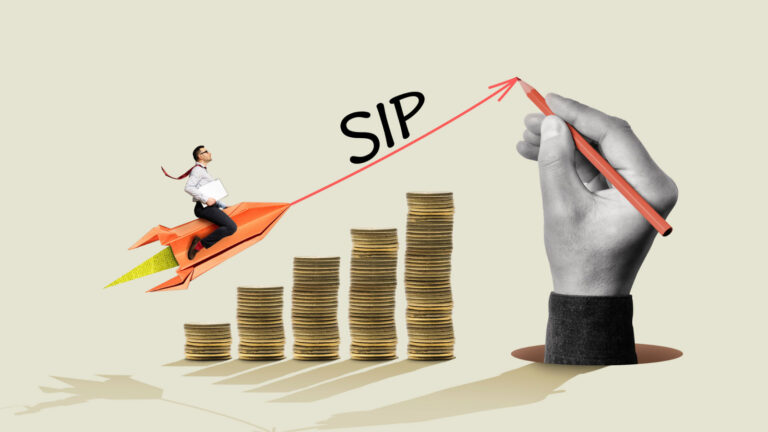
One such example is the traditional Systematic Investment Plan (SIP).
For salaried professionals, SIPs work beautifully because income arrives on a fixed date every month. The investment is automatically deducted, creating financial discipline and benefiting from rupee cost averaging.
However, SME owners live in a different financial reality.
Their cash flows are rarely predictable. Payments from customers may be delayed, inventory purchases may require large outflows, GST and tax payments create seasonal pressure, and some months generate significantly higher profits than others. Committing to a fixed monthly SIP can therefore become stressful. During lean months, SIPs may be skipped, while during profitable months, surplus cash often remains idle in the bank.

A better approach for many business owners is to combine Short-Term Debt Funds with a Systematic Transfer Plan (STP).
Here’s how it works.
Instead of investing ₹1 lakh every month through an SIP, an SME owner can estimate the amount they wish to invest over the next year. Suppose the target is ₹12 lakh annually. Whenever the business generates surplus cash—perhaps after receiving a large payment or during the festive season—the owner can invest the amount into a short-term debt fund.
From this debt fund, a fixed amount can automatically move into selected equity mutual funds every week or every month through an STP.
This strategy offers several advantages.
First, the surplus money does not remain idle in a savings account. It stays invested in a relatively lower-risk debt fund until it is gradually transferred.
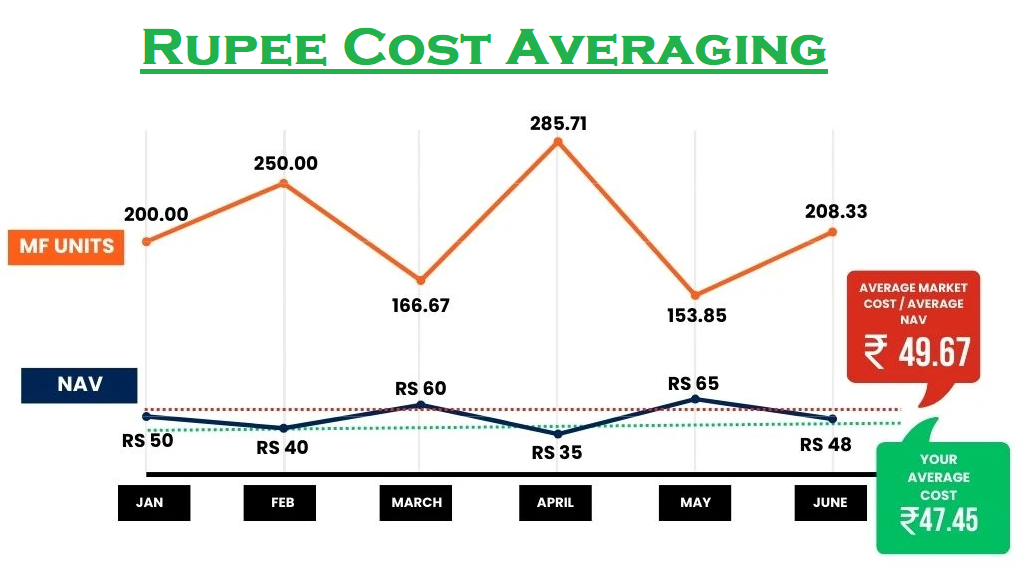
Second, the investor still benefits from rupee cost averaging because investments enter equity markets systematically over time instead of all at once.
Third, STPs reduce the emotional pressure of deciding the “right” time to invest. Markets will always fluctuate, but systematic investing removes the need to predict short-term movements.
Finally, the strategy aligns far better with the cash flow pattern of entrepreneurs. Instead of worrying about maintaining monthly SIP commitments, business owners can invest whenever surplus cash becomes available while allowing the STP to create investment discipline automatically.
This approach is particularly useful for businesses with seasonal revenues such as manufacturers, exporters, wholesalers, retailers, contractors, and service businesses whose collections vary throughout the year.
The objective is not merely to invest regularly—it is to invest according to your cash flow.
For salaried employees, SIPs remain one of the best wealth creation tools. But for many SME owners, STPs can provide the same discipline with much greater flexibility.
Good financial planning is not about using the same strategy as everyone else. It is about choosing a strategy that reflects your financial life. For entrepreneurs, that often means letting business cash flows work with your investments—not against them.